
A case file can turn on one line: the date on a letter, the exception in a rule, the sentence that a summary leaves out. If a federal agency uses AI to condense the record, should the person whose case it is get a chance to see what the tool missed? A public comment request published November 19 puts questions like that on the table. It does not authorize a machine to decide anyone’s case.
The Administrative Conference of the United States, or ACUS, is asking how federal agencies and the people appearing before them should use generative AI in administrative proceedings. These are cases handled by agencies, not federal court trials. AI could help with tasks as different as translating a document, summarizing evidence and drafting an order. Those uses do not carry the same stakes. An awkward translation can change what a statement appears to mean. A summary can drop the one exception the person was relying on.
The shortcut matters most when nobody can see it
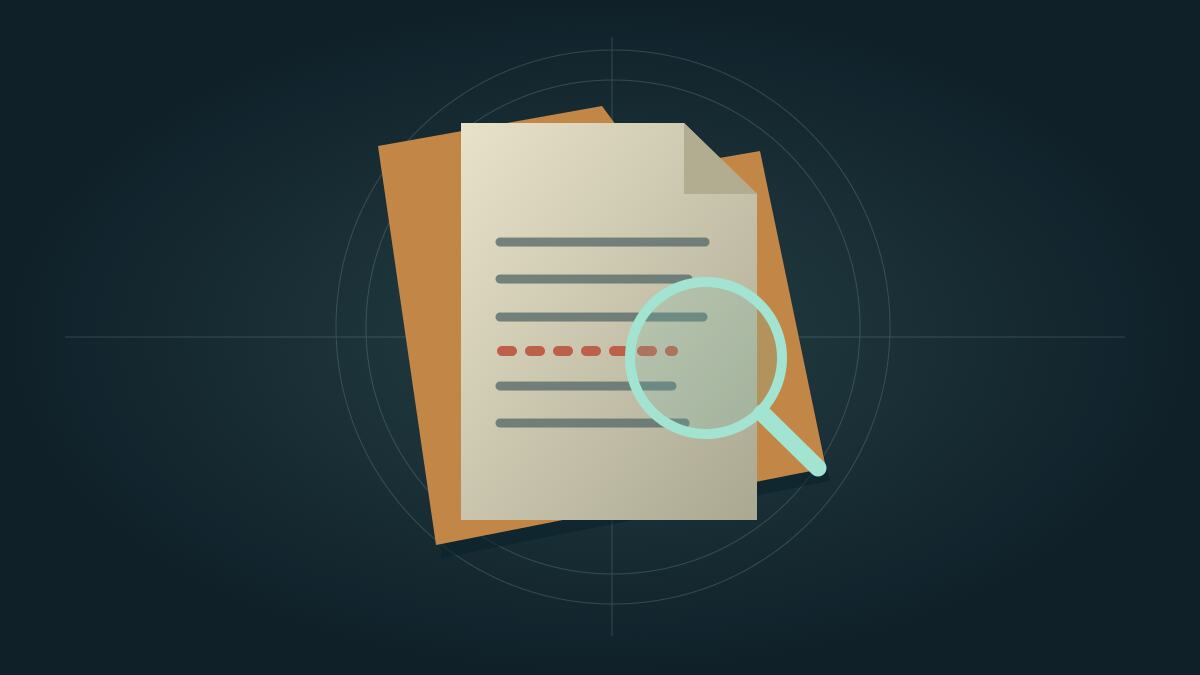
The attraction is easy to understand. A long file takes time to read; preparing a first draft takes time too. But a polished summary can make an omission hard to spot. If the person reviewing it never checks the source, the decision can rest on a version of the facts that nobody in the case actually submitted.
That is why disclosure and review are different safeguards. Knowing that an agency used an AI tool tells you something about how it worked. Knowing which part of the decision relied on the tool, and being able to compare that output with the record, would make it possible to identify a specific mistake. Those are potential safeguards, not rights this notice creates.
Scrutiny cannot stop at the agency’s door
The notice also asks about the people filing documents. AI can make it easier for someone without much help to organize an argument or translate a statement. It can just as easily invent a citation that looks convincing. A blanket rule that treats spelling help and an invented legal authority as the same thing would miss that distinction.
Privacy presents a separate question. A case file can contain information that should not leave the agency or be placed in an unapproved tool. A summary that happens to be accurate does not undo a disclosure. Any useful recommendation will need to distinguish which tools can handle sensitive material, who checks their output and what happens when they get something wrong.
What happens next
The deadline in the Federal Register notice is January 19, 2027, at 10 a.m. Eastern time. The conference says comments are ordinarily posted publicly, so a person who wants to describe a problem should leave out details they do not want published. The responses will inform recommendations; the request itself imposes no new requirement.
The question worth watching is whether the eventual recommendations give people a practical way to spot an AI-assisted error before it becomes part of an agency decision. A human signature matters less if the human never sees what the machine left out.