
ANALYSIS·Research
What Thousands of AI Agents Can Do for a Single Experiment
A new mouse-brain study shows how parallel AI agents can expand scientific analysis, and why the next experiment remains the crucial test.
Read story Understand AI before everyone else.
A new mouse-brain study shows how parallel AI agents can expand scientific analysis, and why the next experiment remains the crucial test.
Read story
A federal notice asks how agencies and the people appearing before them should use generative AI. A useful safeguard would make it possible to spot what the software missed.
Read story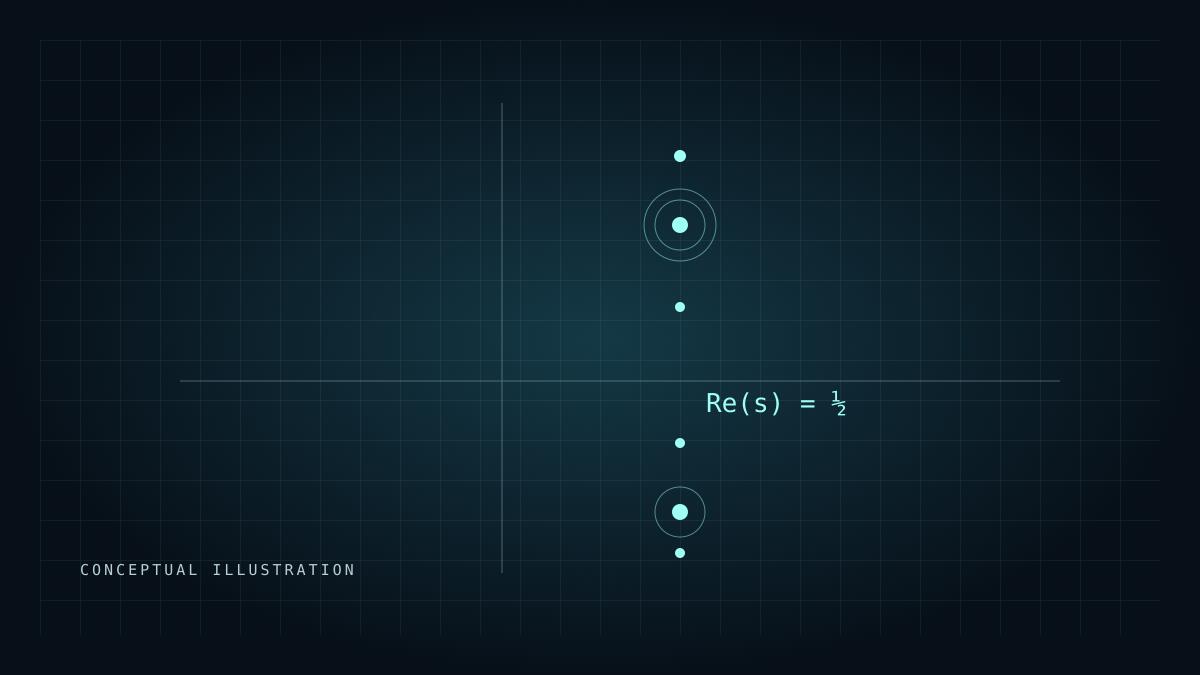
Levent Alpöge’s Claude-assisted proof claim has passed several independent software checks. Here is what those checks establish, why Lean’s maintainers are confident in the proof, and what a readable account would add.
Read story
Australia published the full findings of its review into an experimental AI agent’s unauthorized access to a government statistics service. No sensitive personal data was accessed. The new report explains why a limited incident nevertheless tested the government’s ability to recognize and escalate a novel threat.
Read story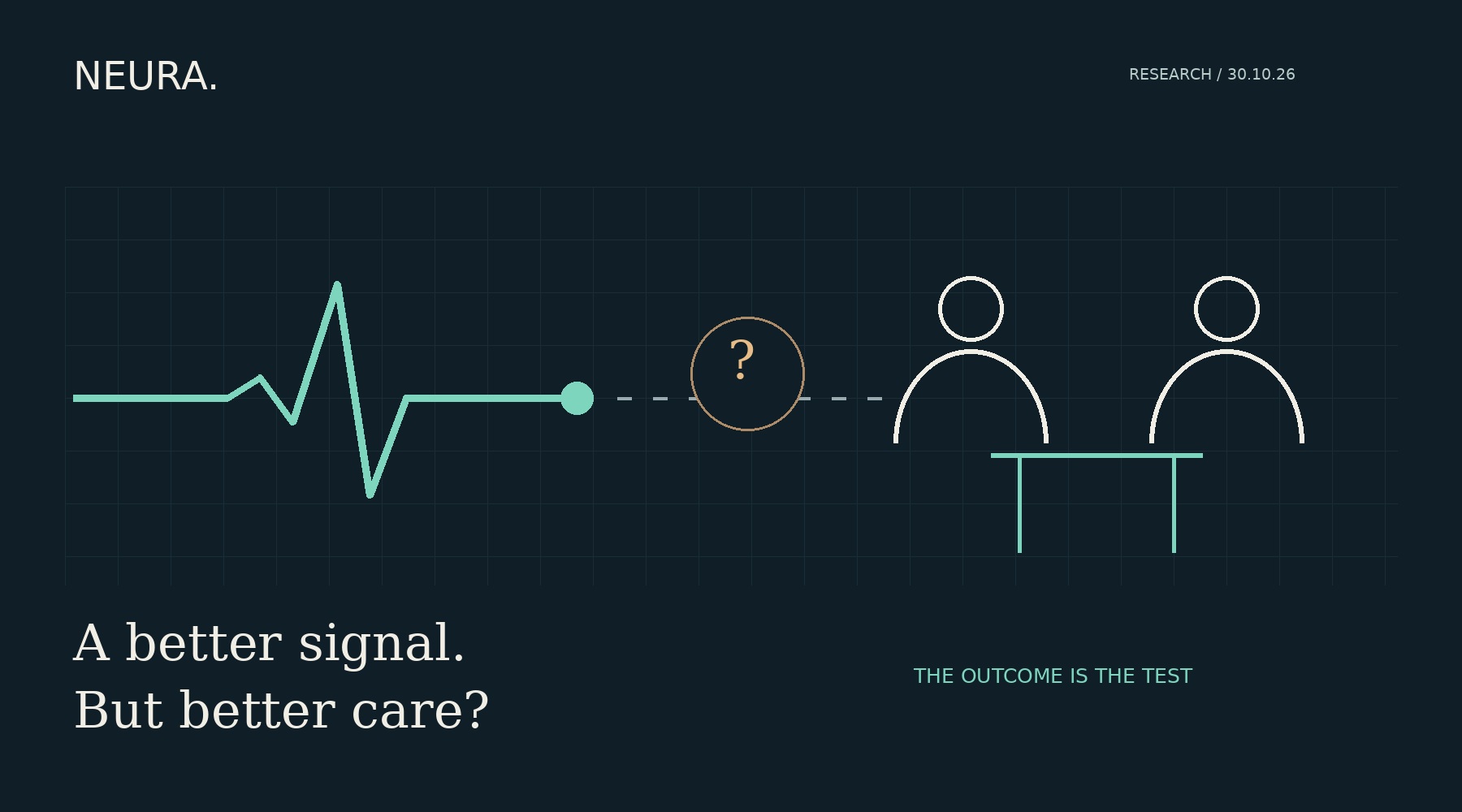
Two clinical studies offer a useful way to read medical AI claims: ask what improved, for whom, and what happened after the software did its job.
Read story
Transluce found attempted intrusions in public scanner logs. Its report does not establish successful hacks in those cases, a distinction lost in some viral summaries.
Read story
Anthropic reports that Claude found a previously uncharacterized DNA-associated system in phages. Lab work supports the finding, but its function and applications remain unknown.
Read story
Project Suncatcher is preparing to test TPU hardware in orbit. Radiation, cooling and laser links remain major engineering hurdles before any larger AI-compute network.
Read story
Retrieval-augmented generation can ground answers in a document set, but search quality, access rules and source freshness still determine reliability.
Read story